
The 9 Benefits of Investing in Real Estate: 8. Tax deferral through 1031-like kind exchanges
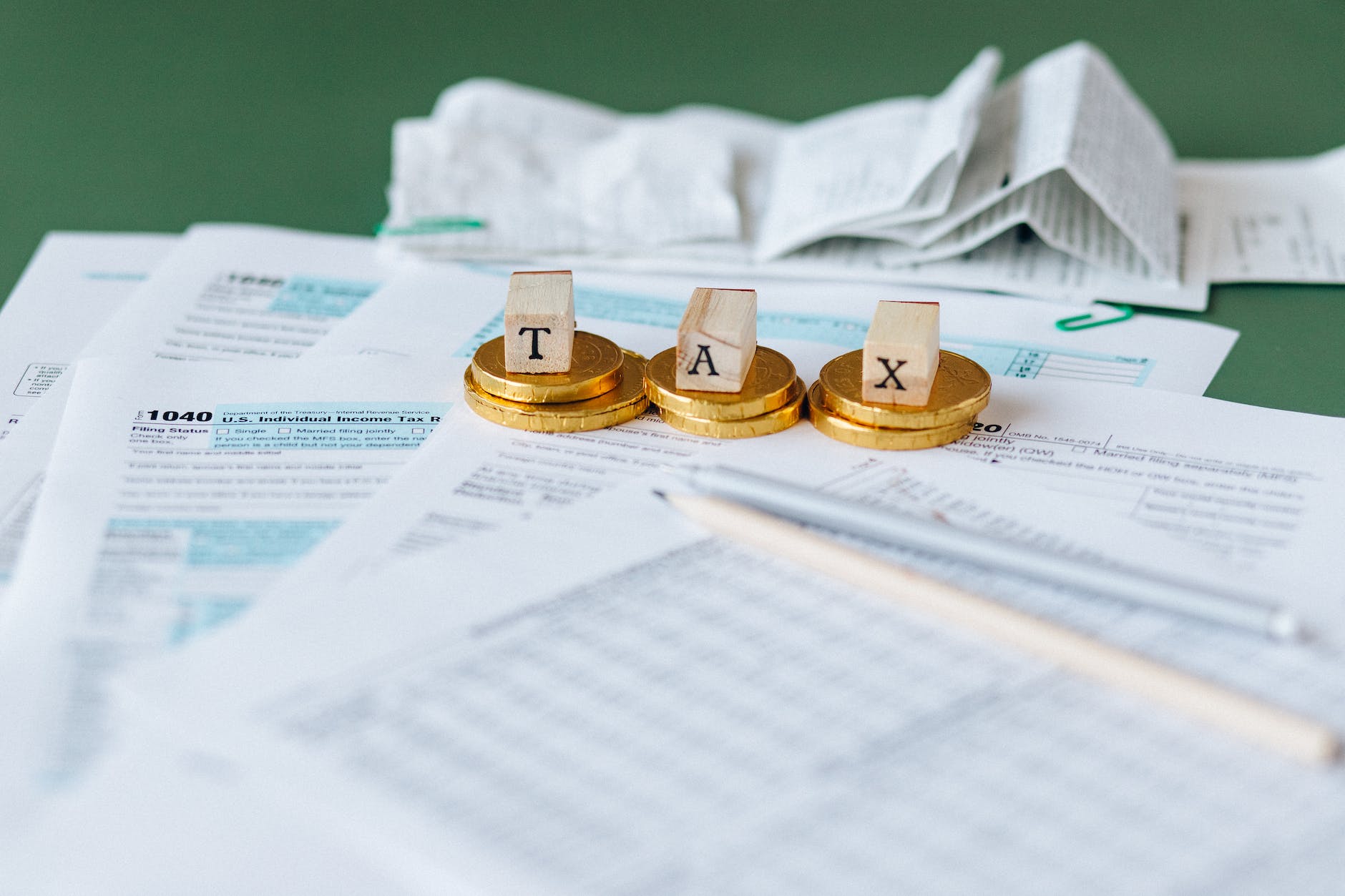
One of the other benefits of real estate that is held for investment purposes, is the ability to sell an asset with substantial capital gains and have the ability per the tax code to defer the taxes by replacing the relinquished property with another property via a 1031-like kind exchange. A 1031-like kind exchange simply refers to the tax code section that allows you to defer paying the capital gains tax at the sale of an asset. I did not write to eliminate the tax, but simply defer. Keep in mind that this is for property held for investment or business purposes. A primary residence has a separate capital gain exclusion of $250,000 for a single person and $500,000 for a married couple. If you have had ownership and possession 2 out of the past 5 years per the current federal tax code in 2023, then you get the tax exclusion on a primary residence and do not have to reinvest your gains – although it would be foolish not to.
Most large title companies, like First American for example, have an Exchange side affiliated with their business, which I have utilized in the past, and offer 1031 exchange services that can educate you about the process. You will need to do some planning before getting into a sale and facing a huge penalty to your net worth via taxes. Some lawyers also offer 1031 exchange services as well. The main thing is that you find someone bonded and knowledgeable, so you do not have your exchange disallowed by the IRS or your funds vanish. There are strict time frames that need to be followed to properly execute a like-kind exchange. Consider the market you are buying or selling in before getting in a bind. In a hot market, it may be difficult to find a replacement property, high interest rates or tight lending standards may cause deals not to pencil in, and new construction deals can run over critical time frames. For now, let’s consider a sample deal where you might execute a like-kind exchange.
For example, if you purchased a property for $400,000 and several years later you decide to sell it for $1M. You will have to pay capital gains on the $600,000 gain as well as any depreciation recapture tax (which is often not mentioned or forgotten about). (Yes, stating a $600,000 gain is oversimplified as you would also back out closing costs, selling expenses, etc.). For simplicity’s sake though, in this example, if you had held the asset long enough, then your tax rate on the gain would most likely be 15% depending on if you are a high-income earner and other factors. Speak to your CPA and a 1031 exchange specialist. The point is that you would give up $90,000 ($600,000*.15) to the IRS via capital gains taxes and reduce your estate and purchasing power. If, however, you choose to execute a 1031-like kind exchange, then you can defer paying that penalty tax by using a qualified intermediary and following the rules the IRS has set forth to avoid the tax penalty today by purchasing a like-kind replacement property. Doing so will allow you to acquire more assets and continue to grow your estate.
Some points about exchanges. Like-kind generally means business or investment purposes for business or investment purposes. It does not mean house for house, duplex for duplex, or car wash for car wash. You could sell a four-plex held for investment purposes and exchange into a self-storage complex or you could sell a strip mall and purchase an apartment complex, for example. The point is that each one is held for business or investment purposes.
Another point to keep in mind is that you cannot constructively receive the cash from the sale. Therefore, you will need a qualified intermediary to receive the cash after the sale of the relinquished property and then direct it to the replacement property deal per the IRS guidelines of replacement property identification and timeframes. Think of it like leaving one company and moving to another company and having to “roll over” a retirement account from one retirement account custodian to another IRA account custodian. The idea is that if you receive the 401k or other retirement funds directly, then you will have to pay the taxes due because you have the funds in your possession and may or may not have benefited from receiving them. By “rolling over” funds from one custodian to another, you have not taken constructive possession of the funds and no taxes would be due.
There are two very basic types of like-kind exchanges: A delayed exchange and a reverse exchange. In a reverse exchange, you would work with an Exchange Accommodation Titleholder (or “EAT”) to take title to either the relinquished property or the replacement property and follow the guidelines to meet the specified time periods to consummate the transaction per IRS guidelines. In a delayed exchange, you relinquish your property and work with a qualified intermediary to take title and funds on your behalf for the replacement property until the transaction is complete.
Speaking to how title is held, an issue I have seen come up over the years is that whatever name the asset is held by, must be the same name the exchanged asset is held by. In other words, if you are getting a new loan in your name and the bank wants your name on the title to the new property, but you currently hold the property you are about to relinquish in the name of your single-member LLC for asset protection purposes, then you probably want a title company or attorney to assist with the signing of a warranty deed out of your LLC back into your name before you begin your like-kind exchange, lest the bank deny funding to your LLC or whatever and you botch a successful exchange. Communicate with your title company, lawyer, and or exchange company ahead of time and title properly.
When executing a delayed exchange, you have 45 days from the close of sale on the relinquished property to identify your replacement properties and must close within 180 days from the close of sale on the property or properties identified during the 45 days. So, from the close of the sale, 45 days to identify and notify your qualified intermediary and 180 days to close.
There are 3 ways to identify properties. I have utilized both the 3-property rule and the 200 percent rule methods to identify and exchange properties to defer gains in the past. The 95% rule is difficult to execute, and I have never used that identification method or know anyone else who has. Depending on values, not closing on one asset may exceed 5% of the total values identified and make the exchange null.
“The 3 methods are:
- 3-property rule – Three properties, regardless of value; or
- 200 percent rule – Any number of properties, as long as their combined fair market value does not exceed twice the value of the relinquished property; or
- 95 percent rule – Any number of properties, regardless of their combined fair market value, as long as you acquire 95 percent or more of the total value of such properties.”
(https://www.firstexchange.com/delayed-exchanges)
According to Tom Wheelwright, Rich Dad advisor and CPA, sometimes it is not worth it to execute a 1031 exchange and it may be better to pay the tax and use what some call the “lazy man’s” exchange. The first part of this is using a competent CPA who can run the numbers both ways for you and knows your personal tax situation.
The basic idea for the “lazy” exchange is to simply sell the property knowing that the capital gains will be due when you file taxes. However, if you acquire a replacement property where a cost segregation study is done to properly allocate depreciation into the appropriate shorter and longer time frames and if accelerated bonus depreciation still exists in the tax code, then it is possible that the depreciation from newly acquired asset could offset the capital gains that would have been due on the relinquished asset. We have personally, used this technique with the assistance of a competent CPA to relinquish a single-family home with a small capital gain to enter into a syndicated multi-family apartment offering that was utilizing a cost segregation study to appropriate depreciation accordingly which offset the gain.
The tax code is a road map of ways the government wants you to behave or things they want you to do, and they will incentivize that behavior by reducing your largest expense over your lifetime, taxes. The problem is finding competent advisors who invest in and understand real estate and taxes that can and will educate you so that you can abide by the tax laws by behaving, doing, and documenting things in a way that the government will recognize and incentivize via tax reduction. There are no loopholes in the tax code. It is simply the tax code. Learn the tax code, follow their road map, and legally reduce or defer your taxes so that you can invest more and enjoy more financial freedom over your lifetime.